
Quick answer
Rinse and refill the fountain daily or every other day, fully disassemble and clean the reservoir and pump at least weekly, and replace the filter according to the manufacturer's schedule—often every two to four weeks for a single pet. Clean more often with multiple pets, visible biofilm, hair buildup, or slow water flow.
What matters most
- Daily water changes are the minimum practical routine.
- The pump and hidden corners matter as much as the bowl.
- Filter schedules vary by product and household.
- Slow flow or odor means stop and clean.
A realistic cleaning schedule
| Frequency | Task | Why it matters |
|---|---|---|
| Daily | Top up or replace water and remove visible hair. | Keeps the water fresh and the pump intake clearer. |
| Every 2–3 days | Rinse the bowl and accessible parts. | Reduces film and debris before it becomes difficult to remove. |
| Weekly | Disassemble, wash, rinse, and dry the reservoir and pump area. | Reaches the hidden surfaces a quick top-up misses. |
| Per manual | Replace the filter; check pump and cord. | Maintains intended flow and avoids worn parts. |
Always follow the specific product manual. A multi-pet home, long-haired cat, or dusty room may require more frequent cleaning than the minimum schedule.
How to clean it without leaving soap residue
- Unplug the fountain before touching water or the pump.
- Remove the filter and set it aside according to the instructions.
- Disassemble the bowl, reservoir, spout, and pump housing.
- Wash with a mild pet-safe method recommended by the maker; use a small brush for corners.
- Rinse every part thoroughly. Soap residue can affect taste and is not intended for drinking.
- Air-dry or towel-dry completely, then reassemble and refill with fresh water.
Do not put electrical components in a dishwasher unless the manufacturer specifically says they are dishwasher-safe.
Signs the fountain needs attention now
Clean the fountain immediately if the water looks cloudy, smells unusual, the flow slows noticeably, the pump becomes noisy, or hair is visible around the intake. Also inspect the cord for damage and keep it away from pets that chew.
A cat that suddenly drinks much more or less, avoids water, or shows urinary or appetite changes needs veterinary advice. A fountain is not a treatment for a health problem.
When a fountain is not worth the upkeep
Keep a bowl available during the transition and choose a fountain only if someone in the household will clean it consistently. If filters are difficult to find, parts are hard to remove, or the pump is too noisy for the room, a clean bowl may be the better setup.
The benefit is not “more water by magic.” It is that some cats show more interest in moving water, and the owner has a clear routine for keeping it fresh.
The small tools that make cleaning realistic
A narrow bottle brush reaches the spout and pump housing better than a sponge. Keep a dedicated brush near the fountain so cleaning does not require searching through kitchen supplies. A shallow tray can hold small parts while they dry, reducing the chance of losing a silicone gasket or pump cover.
Check the manual before using vinegar, disinfectants, or dishwasher cycles; some materials and electrical parts have specific restrictions. Rinse thoroughly after any cleaning product and never submerge a power supply that is not designed for it.
Our product picks for this job
Prices below are refreshed from the Amazon product feed when the page loads. Confirm the selected size, color, seller, and final price on the listing. Shopping links may earn PawGearVerified a commission at no extra cost to you.
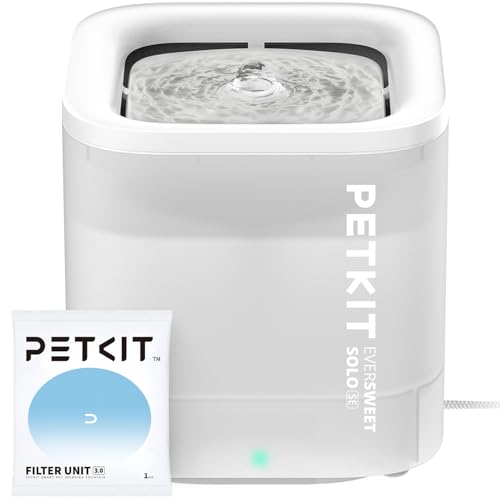
PETKIT Eversweet Solo SE Pet Water Fountain
A compact, inspectable fountain with a large review base. It is easiest to justify when you will keep the bowl, pump, and filter on a weekly routine.
Amazon listed price
$25.99
$29.99
At last check October 23, 2026
Common questions
Can I just refill a cat fountain without cleaning it?
Topping up is not a substitute for cleaning. Hair, biofilm, and residue can collect in the bowl and pump. Replace water frequently and disassemble the fountain on a regular schedule.
How often should the filter be replaced?
Use the manufacturer's schedule for the exact model. It may need more frequent replacement in a multi-pet or high-hair household.
Is moving water better for cats?
Some cats show more interest in moving water, but not every cat prefers it. Fresh water and a clean bowl remain the baseline, and changes in drinking behavior should be discussed with a veterinarian.
Research sources
We combine manufacturer specifications and instructions with established pet-care guidance and recurring themes in public owner feedback. We do not claim hands-on testing for every unit.
- Pet fountain model instructions — Manufacturer documentation
- General cat care — ASPCA

Practical pet-hardware research for U.S. cat and dog owners. Product fit and safety depend on the individual pet, home, and current manufacturer instructions.