
Quick answer
Use a horizontal pad or mat for a cat that scratches the floor or low furniture, and a longer board for a cat that stretches tall. A cardboard house adds a resting spot but takes more floor space. Whatever the shape, it must stay stable and sit near the object the cat already targets.
What matters most
- Watch the cat's scratching posture before buying.
- Placement near the current target is critical.
- A wobbly scratcher is less appealing than a stable one.
- Cardboard and sisal feel different to different cats.
Match the shape to the scratching posture
A cat that crouches and pulls its claws through a horizontal surface is a good candidate for a flat cardboard or sisal pad. A cat that reaches upward and stretches needs a taller board or post. A partially enclosed house can combine scratching and resting, but only if the cat already likes covered spaces.
Place the new surface beside the corner of the sofa, chair, or wall being used. Cats often scratch at the edge of furniture after waking or entering a room. A scratcher in a distant bedroom may never be discovered.
Cardboard, sisal, or a house
| Type | Useful when | Tradeoff |
|---|---|---|
| Flat cardboard pad | The cat scratches low and likes a replaceable surface. | Creates debris and wears over time. |
| Long L-shaped board | The cat stretches and needs a stable horizontal run. | Uses more floor or wall space. |
| Sisal mat | You want a low-profile surface near furniture. | Not every cat likes the texture; it can slide. |
| Cardboard house | The cat likes both scratching and small hiding spots. | Larger footprint and eventual replacement. |
Make the first placement easy to test
Place the scratcher directly beside the furniture edge and leave the existing scratch marks visible. Do not block the cat's path. Make sure it does not slide by adding a non-slip base or placing it against a stable wall, following the product instructions.
If the cat ignores it, change one thing at a time: move it closer to the current target, rotate it, or try a different material. Avoid picking up and moving it every day before the cat has a routine.
Combine prevention with redirection
A scratcher works best when the furniture target is made less rewarding at the same time. Use a temporary cover or barrier on the furniture while offering a better surface nearby. Do not punish the cat for scratching; redirect it calmly.
Cardboard debris is normal as a board wears. Keep a small vacuum nearby and replace the surface when it is shredded through. If scratching is sudden, excessive, or accompanied by other behavior changes, speak with a veterinarian.
Make the setup work for more than one cat
A multi-cat home may need more than one scratching station, especially when cats use different rooms or avoid each other. Put a surface near each favorite furniture edge rather than expecting one board to serve the whole home. Cats may prefer different textures, so start with one cardboard and one sisal option before buying a collection.
Space the stations so a cat is not trapped in a corner while scratching. Add a resting option only if the household has room and at least one cat already likes enclosed spaces. Keep the surfaces stable, vacuum debris, and replace worn material before it becomes a pile of loose cardboard.
Our product picks for this job
Prices below are refreshed from the Amazon product feed when the page loads. Confirm the selected size, color, seller, and final price on the listing. Shopping links may earn PawGearVerified a commission at no extra cost to you.
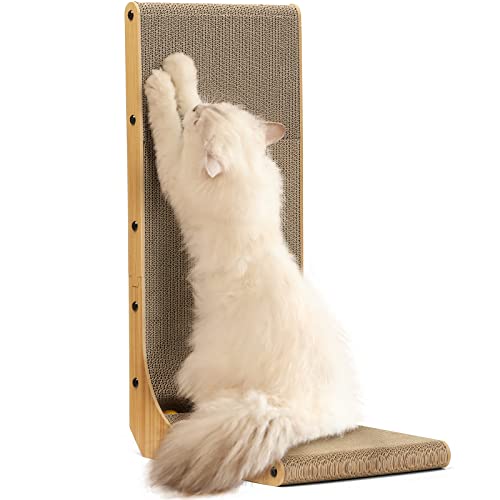
FUKUMARU L-Shaped Cat Scratcher
A long, stable surface for cats that stretch while scratching. Place it beside the furniture edge the cat already targets.
Amazon listed price
$19.78
$24.79
At last check October 23, 2026
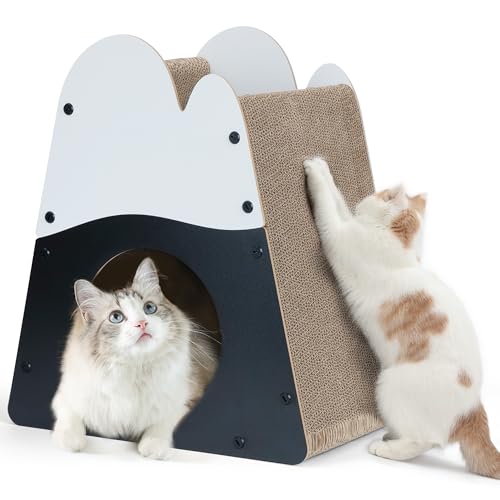
FUKUMARU Cardboard Cat Scratcher House
A compact house that gives a cat both a scratching surface and a place to settle. Best for cats that already like covered spaces.
Amazon listed price
$27.79
At last check October 23, 2026
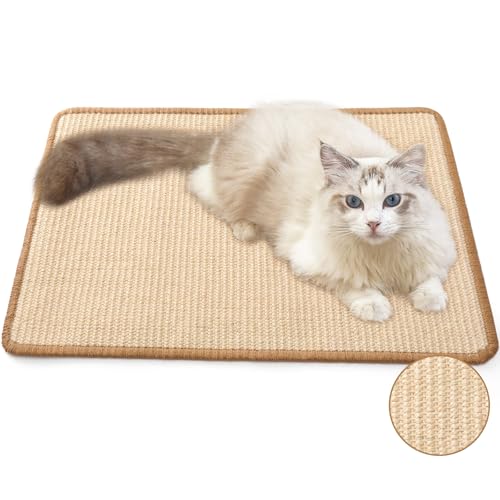
FUKUMARU Natural Sisal Cat Scratcher Mat
A low-cost way to add a textured surface beside furniture. Use a non-slip base if the mat shifts on your floor.
Amazon listed price
$11.79
At last check October 23, 2026
Common questions
Do scratching pads protect furniture?
They can redirect some scratching when placed beside the furniture the cat already uses and made stable. They work best as part of a consistent setup, not as a single object in a distant room.
Should I choose cardboard or sisal?
Watch what texture the cat already likes. Cardboard can be appealing but creates debris; sisal is lower profile and may be less appealing to some cats. Try one surface before buying several.
Where should a cat scratcher go?
Put it near a favorite scratching target or in a room where the cat spends time. Stability and easy access matter more than a decorative corner.
Research sources
We combine manufacturer specifications and instructions with established pet-care guidance and recurring themes in public owner feedback. We do not claim hands-on testing for every unit.
- Destructive scratching — ASPCA
- Feline environmental needs — American Association of Feline Practitioners

Practical pet-hardware research for U.S. cat and dog owners. Product fit and safety depend on the individual pet, home, and current manufacturer instructions.