
Quick answer
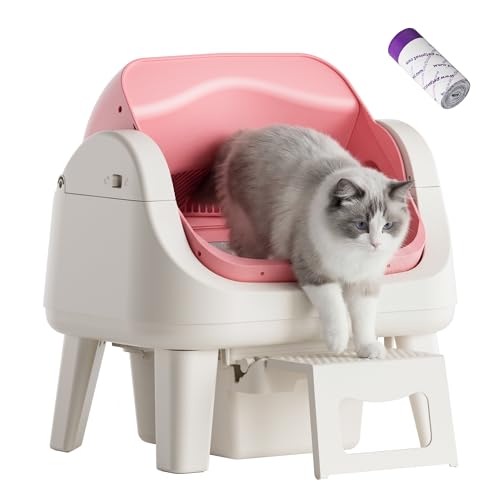
Choose a box that lets the cat enter, turn, and dig without feeling trapped. Put the long side of a waterproof trapping mat along the exit path, leaving two calm steps before the floor. Keep the surrounding area easy to sweep and inspect. Automation is optional; reliable access and a realistic cleaning routine matter more than adding every accessory at once.
A litter station is a system of objects and habits. The box decides where waste goes, the mat catches what travels on the cat's paws, and the surrounding storage determines whether cleaning is quick enough to happen consistently. If one layer fights another, the whole station feels worse to live with.
Measure the cat and the room first
Measure the cat from nose to the base of the tail while standing, and note its height when it turns around. Use those measurements to judge the floor area and entry height. A common starting point is a box that is noticeably longer than the cat, but observation matters: a cautious cat may avoid a narrow or high-sided box even when the overall dimensions look generous.
Then measure the available floor. Leave enough clearance for the door, the lid, the litter scoop, and a mat placed outside the exit. A larger box is not an upgrade if it blocks a doorway or makes cleaning awkward.
Manual or automatic?
| Choose | Better fit when | Watch for |
|---|---|---|
| Manual box | You want a simple, low-cost setup and can scoop consistently. | Litter tracking, odor, and a box that is too small for the cat. |
| Open-top automatic box | The cat accepts a machine and you need help reducing daily scooping. | Entry height, power access, noise, and litter compatibility. |
| Enclosed automatic box | You want more visual containment and the cat is comfortable inside. | Footprint, app or network requirements, and gradual introduction. |
Place the mat where the litter actually lands
Watch the cat leave the box. Some cats step straight forward; others jump over a mat or turn sharply. Put the mat across the real exit path and extend it far enough for the cat to take several steps. A small mat placed only under the door may miss the area where litter is carried.
For a large or multi-cat setup, a broader waterproof mat can be more useful than several disconnected pads. In a small room, a compact mat that can be lifted and rinsed may be easier to maintain. The mat should sit flat, resist sliding when stepped on, and be simple enough to clean that you will not avoid it.
Compare a large trapping mat → or see the compact value option →.
A first-week setup plan
| Stage | Action | What to observe |
|---|---|---|
| Day 1 | Place the box on a stable, quiet floor and leave the old setup unchanged if possible. | Entry, turning room, and whether the cat investigates without being placed inside. |
| Day 2 | Add the mat across the observed exit path. | Whether the mat moves, bunches, or creates a barrier. |
| Days 3–4 | Keep litter depth and scooping time consistent. | Litter scattered beyond the mat and the easiest cleanup method. |
| Day 5 | Move only one thing—mat position, lid, or box angle. | Whether the change helps without making entry harder. |
| Days 6–7 | Review the floor and washing routine. | What needs to be shaken daily versus washed less often. |
Make the routine easy enough to repeat
Keep a scoop, a small waste container, and a surface cleaner where they are convenient to reach. Shake or vacuum the mat before it becomes saturated. Rinse waterproof mats when residue builds up, and dry them fully before returning them to the floor.
The best container is not automatically the largest or most decorative one. It should seal well enough for the household routine, open easily with clean hands, and stay out of the cat's path. Position any storage so it does not narrow the entrance or block access for cleaning.
Buy now or wait?
| Buy now | Wait |
|---|---|
| A box that fits the cat and the floor | A larger box before checking entry and clearance |
| One mat placed over the measured exit path | Several mats for rooms where litter does not travel |
| A simple scoop and washable floor protection | Automatic hardware before confirming power, noise tolerance, and fit |
| A second box for a multi-cat or multi-floor home | Multiple new designs introduced at the same time |
Research sources
- Litter box problems — ASPCA
- Feline litter-box guidance — Cornell Feline Health Center
- Current product dimensions, setup instructions, and repeated owner-feedback themes in Amazon listings.

Independent, source-based research for U.S. cat and dog owners. Sudden changes in litter-box behavior can have medical causes; consult a veterinarian when the behavior is new or persistent.