
Quick answer
In a small apartment, prioritize an automatic box that the cat can enter without a high step, leaves enough room to open or remove the waste drawer, and can sit on a stable floor near power. The open-top PetPivot has the easier access story; the enclosed PETKIT PuraMax 2 makes more sense when containment is worth the larger commitment.
What matters most
- Measure the movement zone, not only the machine.
- Low-stress entry matters more than a smaller footprint alone.
- Open-top designs trade concealment for easier inspection.
- Test noise and power-cord placement before the cat commits.
Measure the apartment like an installation
Place painter's tape on the floor in the shape of the machine, then add the space needed to open the lid, pull out the waste drawer, and walk around it. Also leave a clear approach for the cat. A product can look compact in a listing and still become difficult in a narrow bathroom once cleaning access is included.
Check the nearest outlet, cord path, and door swing. Keep the power lead away from chewing pets and any wet floor area. Avoid placing the box where a person must step over it to reach the sink or exit.
Choose the entry the cat will actually use
An open-top design lets a cautious or older cat inspect the litter area before entering. That can make adaptation easier, although it offers less visual containment. A fully enclosed machine may reduce how much waste is visible, but the cat must accept the tunnel, motion, and interior space.
Do not force the switch. Keep the old box available during the introduction, place the new box nearby, and let the cat investigate with the machine off. If the cat avoids the box or starts eliminating elsewhere—especially if the change is sudden—consult a veterinarian.
Balance noise, odor, and visual clutter
A bedroom or studio makes every mechanical sound more noticeable. Read owner feedback about motor noise and cycle timing, but also consider where the box will run. A quieter cycle at midnight matters more than a slightly smaller body.
Enclosed designs can hide waste and help with visual clutter, while open designs are easier to inspect and may be easier for a shy cat to approach. Neither design guarantees odor control. Litter choice, cleaning, and placement still determine what the room smells like.
| Small-space priority | Open-top box | Enclosed box |
|---|---|---|
| Easy visual inspection | Strong | More limited |
| Visual containment | Limited | Stronger |
| Cat access | Often simpler | Depends on entry and interior room |
| Footprint planning | Still essential | Still essential |
A low-conflict first week
- Keep the existing box exactly where it is.
- Place the new box nearby, powered off and open for inspection.
- Add the same litter the cat already uses.
- Run one cycle while the cat is elsewhere so you can judge noise.
- Supervise the first attempts and keep the old box available.
- Remove the old box only after the cat uses the new setup reliably.
Automation should reduce a recurring task, not create a new source of anxiety. If the apartment is very tight, a well-maintained manual box may still be the better first purchase.
When a manual box is still the better small-space choice
A manual box makes sense when there is no safe outlet, when the cat is sensitive to mechanical noise, or when the available floor space cannot accommodate the machine plus its service clearance. Manual scooping is a routine, but it is also easy to understand and inexpensive to replace.
A high-sided manual box in a quiet corner may be less disruptive than forcing an automatic box into a narrow hallway. The best automatic setup is not the smallest box on the listing page; it is the one that can be used, cleaned, and maintained without blocking the apartment.
Our product picks for this job
Prices below are refreshed from the Amazon product feed when the page loads. Confirm the selected size, color, seller, and final price on the listing. Shopping links may earn PawGearVerified a commission at no extra cost to you.
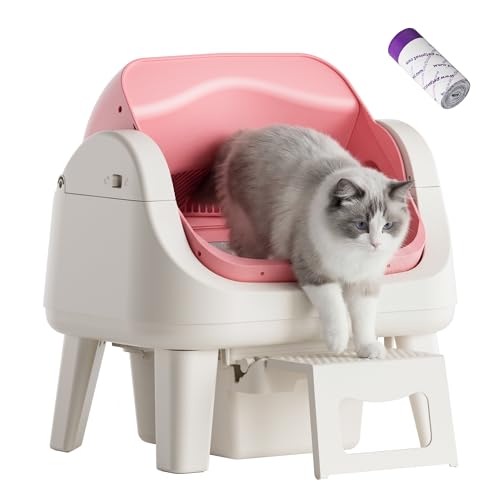
PetPivot Open Top Self-Cleaning Litter Box
The open-top layout makes inspection and entry easier for many cats and is a practical compromise when a fully enclosed machine feels visually heavy.
Amazon listed price
$139.97
$199.99
At last check October 23, 2026
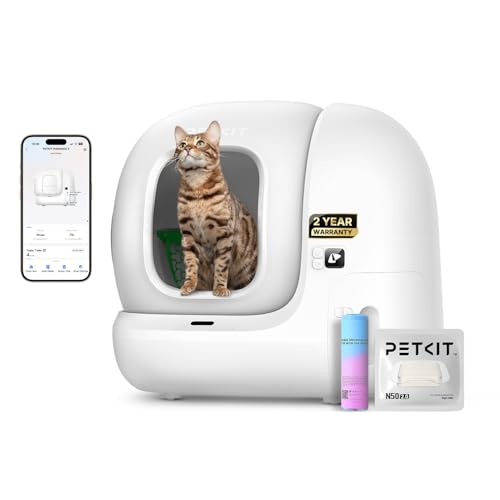
PETKIT PuraMax 2 Automatic Cat Litter Box
A more finished enclosed setup with app-based monitoring and waste containment. Measure the full installation depth before choosing it for a studio or narrow room.
Amazon listed price
$299.99
$389.99
At last check October 23, 2026
Common questions
Are automatic litter boxes good for small apartments?
They can be, but footprint and service access matter as much as the machine's width. Tape out the full working area and confirm that the door swing, waste drawer, and outlet all have room.
Should I put an automatic litter box in a bathroom?
A dry, stable spot with an outlet can work if the box is not blocking the door or walking path. Keep the cord protected and follow the product's placement instructions.
How long does a cat need to adjust?
Every cat is different. Keep the old box available and introduce the new one gradually. If a cat stops using the box or changes litter behavior suddenly, contact a veterinarian.
Research sources
We combine manufacturer specifications and instructions with established pet-care guidance and recurring themes in public owner feedback. We do not claim hands-on testing for every unit.
- Feline litter-box guidance — Cornell Feline Health Center
- Litter box problems — ASPCA

Practical pet-hardware research for U.S. cat and dog owners. Product fit and safety depend on the individual pet, home, and current manufacturer instructions.